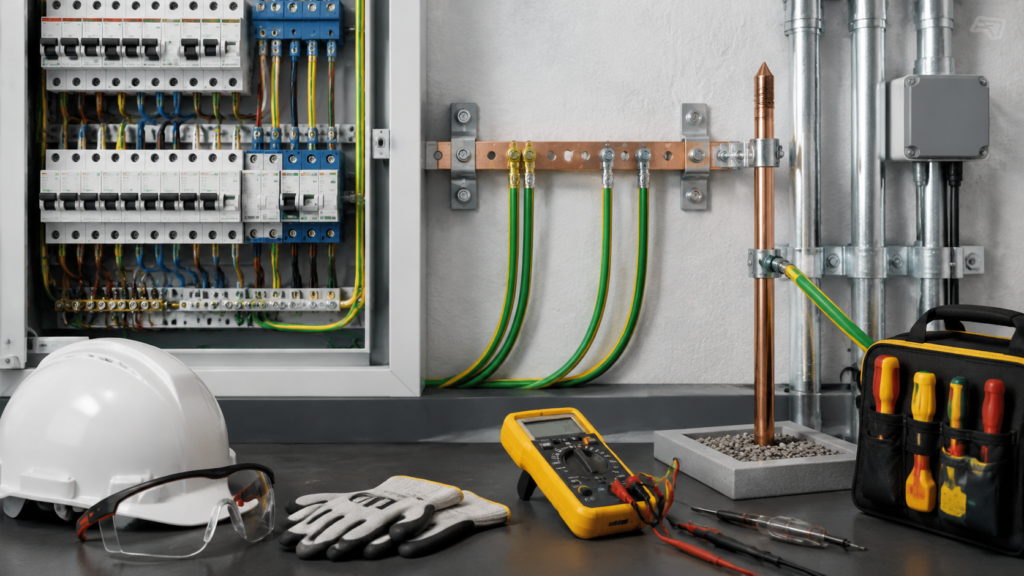
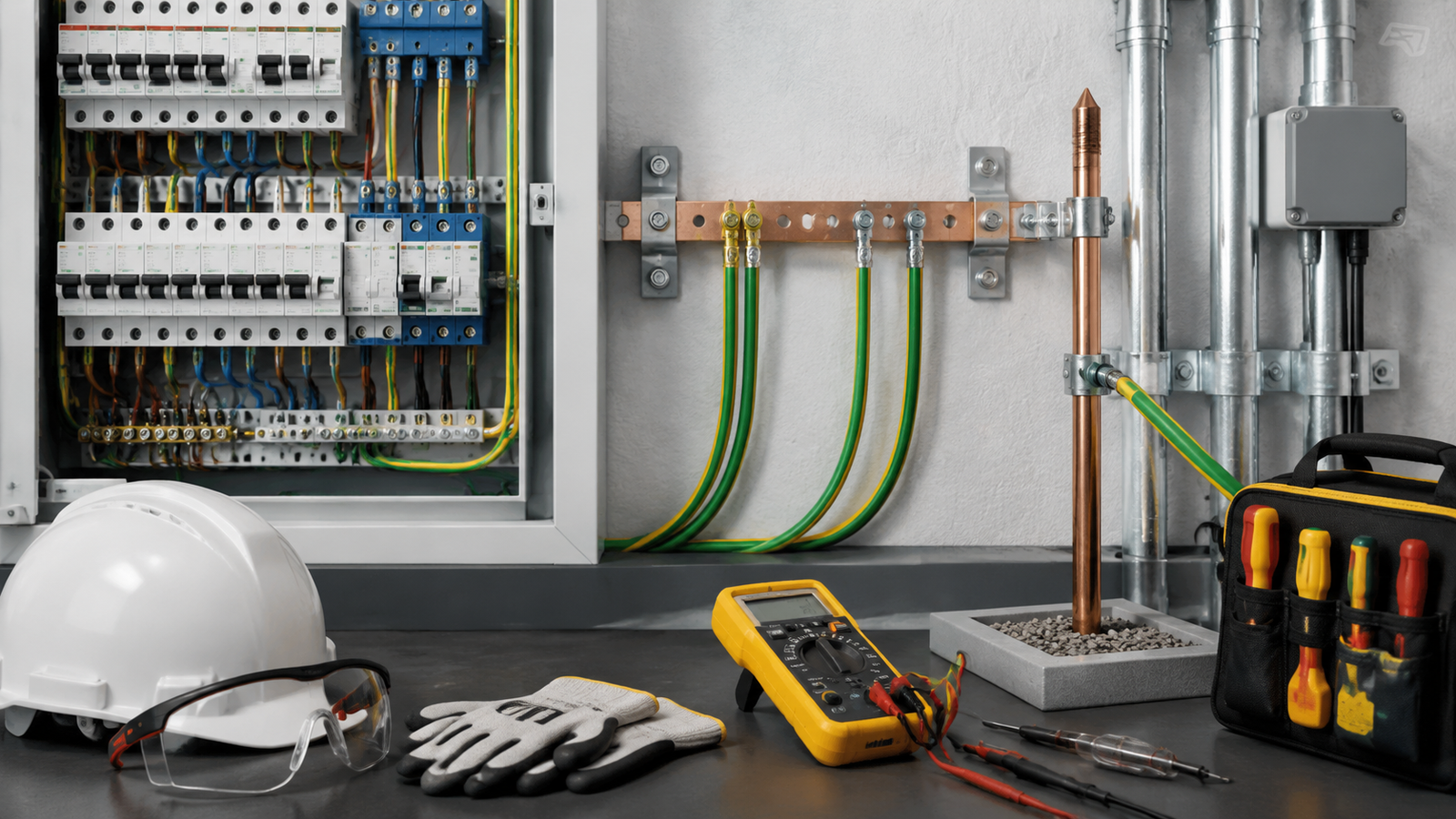

Introduction
Electricity has become an essential part of modern life, powering homes, industries, businesses, communication networks, and critical infrastructure. However, electrical systems can also create serious risks when they are not properly designed, installed, and maintained. Issues such as electrical faults, voltage surges, lightning strikes, and poor grounding can damage equipment, interrupt operations, and create safety hazards.
Safetrode.com represents an important area of discussion within electrical safety, focusing on concepts related to grounding, earthing systems, electrical protection, and methods used to improve the reliability of electrical installations. Understanding these technologies is valuable for engineers, electricians, construction professionals, facility managers, and anyone interested in improving electrical safety.
Modern electrical protection is not only about preventing failures but also about creating systems that perform efficiently under challenging conditions. Proper grounding and protection methods help reduce electrical risks and support long-term equipment performance. However, ignoring electrical safety standards or using unsuitable protection methods can lead to costly damage and dangerous situations.
This comprehensive guide explains the importance of electrical grounding, earthing technology, surge protection, lightning protection, and the role of platforms like safetrode.com in increasing awareness about safer electrical practices.
Quick Bio of Safetrode.com
| Category | Details |
|---|---|
| Name | Safetrode.com |
| Category | Electrical Safety & Grounding Information Platform |
| Main Focus | Electrical grounding, earthing systems, surge protection, and electrical safety awareness |
| Industry | Electrical Engineering and Safety Technology |
| Primary Topics | Grounding solutions, earthing methods, lightning protection, electrical protection systems |
| Target Audience | Electrical engineers, electricians, contractors, facility managers, and safety professionals |
| Purpose | To provide knowledge and awareness about safer electrical practices and protection methods |
| Key Areas Covered | Ground resistance, electrical faults, surge control, lightning safety, and system reliability |
| Technology Focus | Electrical protection and infrastructure safety concepts |
| Importance | Helps users understand methods for improving electrical system safety and reliability |
What Is Safetrode.com and Why Is It Important?
Electrical safety depends on several interconnected systems working together. Among these, grounding and earthing are some of the most important elements because they provide a controlled path for unwanted electrical currents.
Safetrode.com is associated with discussions around electrical safety concepts that help users understand how grounding systems work and why they are necessary. These topics are especially important in industrial environments, commercial buildings, data centers, renewable energy projects, and residential electrical installations.
A properly designed grounding system improves safety by directing fault currents safely into the earth. Without effective grounding, electrical faults may remain within equipment or building structures, increasing the possibility of electric shock, equipment failure, or fire.
The importance of electrical safety continues to grow as modern technology becomes more dependent on sensitive electronic devices. Computers, communication systems, automation equipment, and smart devices require stable electrical environments to operate effectively.
Understanding Electrical Grounding and Earthing Systems
What Is Electrical Grounding?
Electrical grounding is a safety method that connects electrical systems or equipment to the earth through a conductive pathway. This connection helps control abnormal electrical conditions and provides protection during faults.
When an electrical fault occurs, grounding allows excessive current to move safely away from people and equipment. This reduces the chance of serious injuries and protects valuable electrical components.
Grounding systems are commonly used in:
- Residential buildings
- Industrial facilities
- Power stations
- Telecommunications networks
- Commercial structures
- Renewable energy installations
Difference Between Grounding and Earthing
Although the terms grounding and earthing are often used together, they can have slightly different meanings depending on regional electrical standards.
Earthing generally refers to connecting electrical systems to the physical earth to protect against electrical faults.
Grounding often describes the connection between electrical circuits, equipment, and safety conductors to establish a stable reference point.
Both methods serve the same major purpose: improving electrical safety and system reliability.
The Role of Earthing Systems in Electrical Protection
Why Proper Earthing Is Necessary
A reliable earthing system provides multiple benefits:
- Reduces electrical shock risks
- Protects electrical equipment
- Improves system stability
- Helps control fault currents
- Supports lightning protection systems
Poor earthing can create serious problems. If resistance levels are too high, fault currents may not flow effectively, causing protective devices to fail or respond slowly.
Common Types of Earthing Methods
Different environments require different earthing solutions. Common approaches include:
Pipe Earthing
Pipe earthing is widely used in many electrical installations. A metal pipe is installed in the ground to create a connection between the electrical system and earth.
Plate Earthing
Plate earthing uses a metal plate buried underground. It provides a strong connection and is commonly used where specific installation conditions allow it.
Chemical Earthing
Chemical earthing involves conductive compounds around the electrode to improve grounding performance and maintain lower resistance.
Each method has advantages and limitations. The correct choice depends on soil conditions, electrical requirements, environmental factors, and installation standards.
Importance of Lightning Protection Systems
Lightning is one of the most powerful natural electrical events. A single lightning strike can generate extremely high electrical energy that may damage buildings, equipment, and communication systems.
Lightning protection systems are designed to provide a controlled path for lightning currents to safely move into the ground.
A complete lightning protection approach usually includes:
- Air terminals
- Conductors
- Grounding electrodes
- Surge protection devices
Without proper protection, lightning energy can enter electrical systems and damage sensitive equipment.
Understanding Surge Protection Technology
What Are Electrical Surges?
Electrical surges are sudden increases in voltage that can damage electronic equipment. They may occur because of:
- Lightning activity
- Power grid disturbances
- Switching operations
- Electrical faults
Modern homes and businesses depend heavily on electronic equipment, making surge protection increasingly important.
Benefits of Surge Protection Devices
Surge protection devices help:
- Protect sensitive electronics
- Reduce equipment failure
- Improve system reliability
- Prevent unexpected downtime
However, surge protection works best when combined with a properly designed grounding system. A surge protector without effective grounding may not provide complete protection.
Why Electrical Safety Awareness Matters
Electrical safety is not only the responsibility of engineers and technicians. Building owners, managers, and everyday users should understand basic safety principles.
A lack of electrical awareness can result in:
- Unsafe installations
- Equipment damage
- Increased maintenance costs
- Workplace accidents
On the positive side, proper education and preventive measures can significantly reduce electrical risks. Regular inspections, professional installation, and correct maintenance create safer environments.
Advantages of Learning From Platforms Like Safetrode.com
Educational resources related to electrical safety provide several advantages.
Better Understanding of Electrical Systems
Many people use electrical equipment daily without understanding how protection systems work. Learning about grounding and safety technology improves awareness.
Improved Maintenance Decisions
Professionals who understand electrical protection concepts can make better decisions regarding inspections, repairs, and upgrades.
Increased Equipment Reliability
Proper electrical protection reduces unexpected failures and extends the operational life of equipment.
Challenges and Limitations in Electrical Safety Practices
Although electrical protection technology has improved significantly, challenges still exist.
Incorrect Installation
One of the biggest problems is improper installation of grounding systems. Even high-quality equipment may fail if installed incorrectly.
Lack of Regular Testing
Grounding systems require periodic testing to confirm their effectiveness. Without maintenance, performance may decline over time.
Environmental Factors
Soil conditions, moisture levels, corrosion, and climate can affect grounding performance.
These challenges show why professional knowledge and continuous monitoring are important.
How Modern Industries Use Grounding and Protection Solutions
Industrial sectors depend heavily on reliable electrical systems. Manufacturing plants, healthcare facilities, communication networks, and data centers require advanced protection methods.
Electrical grounding and protection systems help industries:
- Maintain operational continuity
- Protect expensive machinery
- Improve workplace safety
- Reduce maintenance interruptions
As industries become more automated, the demand for reliable electrical infrastructure continues to increase.
Future of Electrical Safety and Grounding Technology
The future of electrical protection is closely connected with technological advancement. Smart monitoring systems, improved materials, and advanced testing methods are helping create more reliable grounding solutions.
Future developments may focus on:
- Automated grounding monitoring
- Better corrosion-resistant materials
- Intelligent safety systems
- Improved energy protection technologies
As renewable energy and digital infrastructure expand, electrical safety will remain a critical area of development.
FAQs
What is the main purpose of an earthing system?
The main purpose of an earthing system is to provide a safe pathway for fault currents to flow into the earth, reducing electrical risks and protecting people and equipment.
Why is grounding important in electrical systems?
Grounding helps stabilize electrical systems, protects against faults, and reduces the possibility of electric shock and equipment damage.
How does lightning protection work?
Lightning protection systems provide a controlled route for lightning energy to travel safely into the ground, reducing damage to buildings and electrical equipment.
Can surge protection work without proper grounding?
Surge protection devices perform more effectively when connected to a properly designed grounding system. Poor grounding can reduce their protective ability.
How often should grounding systems be tested?
Testing frequency depends on the type of installation, environmental conditions, and applicable safety standards. Regular inspections are recommended for reliable performance.
What factors affect grounding system performance?
Factors include soil resistance, moisture, corrosion, electrode quality, installation methods, and environmental conditions.
Is electrical grounding necessary for homes?
Yes, residential grounding is an important safety requirement that helps protect people and household electrical equipment from faults and unexpected electrical conditions.
Conclusion
Electrical safety is a fundamental requirement for modern buildings, industries, and technological systems. Grounding, earthing, surge protection, and lightning protection are essential components that help prevent damage and improve reliability.
Safetrode.com represents an area of knowledge focused on understanding these important electrical protection concepts. Learning about proper grounding methods and safety practices allows individuals and professionals to make better decisions and create safer electrical environments.
While electrical systems provide enormous benefits, neglecting safety measures can create serious risks. A combination of proper design, professional installation, regular testing, and continuous education is the most effective way to achieve reliable electrical protection.